September 7, 2026 Post by : Editorial Creative Process
Visual Note-Taking: Turning Meetings and Lectures Into Maps of Meaning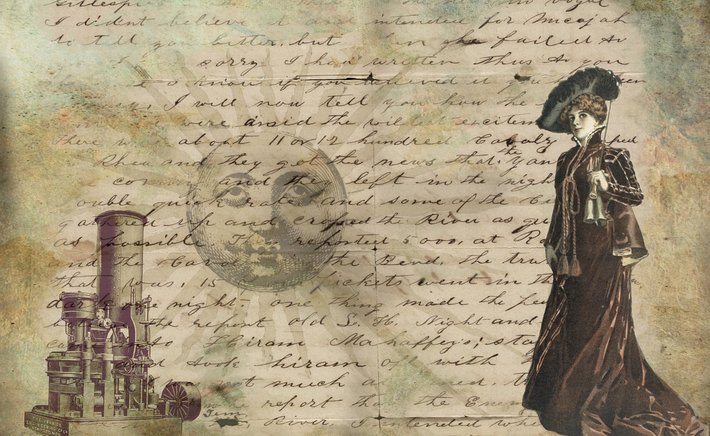
There's an unspoken rule in most journaling advice that you should pick a lane. Write in one notebook, sketch in another, keep your collage materials somewhere else entirely. The rule makes sense if you're trying to produce something polished, but it works against you if you're trying to capture a life. A single day rarely arrives in one format. It comes as a sentence you overheard, a color you noticed, a receipt in your pocket, a shape you can't stop thinking about. Forcing all of that into one mode means losing most of it.
Layered pages—pages that combine writing, sketching, and whatever physical scraps you've collected—solve this problem by refusing to choose. The page becomes a container for the day in whatever forms the day arrived. A paragraph of reflection sits next to a rough sketch of the view from the window. A ticket stub is taped beside the single line that describes why you kept it. Nothing has to be finished. Nothing has to match. The page is allowed to be as messy as the experience it's recording.
How to Start a Layered Page Without Overthinking It
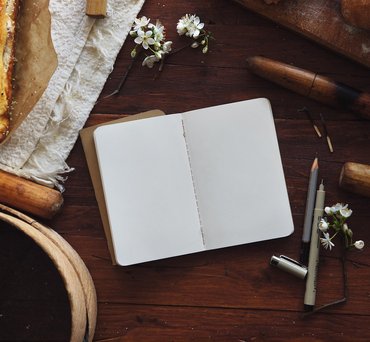
Begin with whatever's in front of you. Write a few lines about the day, or draw one object, or glue down the first scrap you find in your bag. Then add one thing from a different mode. If you wrote, sketch something small in the corner. If you sketched, write a single sentence underneath. If you glued, write the date and one word beside it. The rhythm is simple: one mode, then another, then stop. The page doesn't need to be full. It needs to be honest.
Use whatever adhesive you have. Tape, glue stick, a paperclip, a staple. Don't wait for archival-quality materials unless you're planning to donate the notebook to a museum. The point is the record, not the preservation. If something falls out later, that's fine—it probably wasn't the important part anyway. Keep a small envelope or pouch in the back of the notebook for scraps you haven't decided about yet. When you have a slow evening, sort through them and add a few to old pages.
Why Layering Changes What You Notice
Once you start working this way, your attention shifts. You begin picking up things you'd normally leave behind—a leaf, a label, a postcard from a friend's trip. You start noticing small visual details because you know they might end up on the page. The journal stops being a place you go to write and becomes a place you collect for. That shift is subtle but real. You're not just recording experience anymore. You're curating it, in the moment, with the page in mind.
Layered pages are also more forgiving than single-mode journals. If you don't feel like writing, you can sketch. If you don't feel like sketching, you can paste. If you don't feel like doing anything, you can add a single word and close the book. The variety keeps the practice alive through moods and seasons that would otherwise break a stricter habit. And when you look back through the notebook later, the mix of modes brings the past back more vividly than any single format could. You don't just remember what happened. You remember how it felt, what it looked like, and what you were holding in your hand when you decided it was worth keeping.


Author

22 feb,2025
This incident opened my eyes to the value of Insurance in general, so I decided to examine my personal and business insurance.




Comment (3)
The payments are made directly from one person to another without passing through a central bank or clearing house.
22 feb,2025
ReplyThe Art of the Marginal Note: Making Your Reading Life Visible
23 feb,2025
ReplySketchbook as Time Capsule: Documenting Ordinary Days Before They Fade
23 feb,2025
Reply